Trusted agentic AI across AWS Bedrock, Google Vertex AI, and Azure AI Foundry: scalable MCP servers, RAG pipelines, and enterprise workflows you can rely on.
Book a Meeting


ABOUT THE SERVICE
Enterprise AI programs often stall at the engineering layer: integrating models, building retrieval systems, and deploying safely at scale. Product teams need practitioners who can deliver end‑to‑end AI systems, not just prototypes.
Our AI Engineering Services provide experienced engineers who design, build, and operationalize AI solutions aligned to your business goals. We deliver MCP servers, RAG pipelines, agentic workflows, and production deployment across AWS Bedrock, Google Vertex AI, and Microsoft Foundry.
As a cybersecurity research partner to security product companies and large enterprises, we build AI systems with security, governance, and data protection as first‑class requirements. Engagements can be project‑based, embedded within your teams, or delivered as managed engineering sprints with governance checkpoints.
If you need experienced AI engineers to design, build, and deploy secure production-grade AI systems, our AI Engineering Services provide the technical depth, governance discipline, and operational maturity required for enterprise success.
If you need proven AI engineers to design, build, and deploy production‑grade AI systems, AI Engineering Services delivers the talent and execution discipline to make it real.
How we do it

We translate your use cases into system architectures that define model selection, retrieval strategy, orchestration, and evaluation. This includes risk analysis, data boundaries, and compliance‑ready controls.

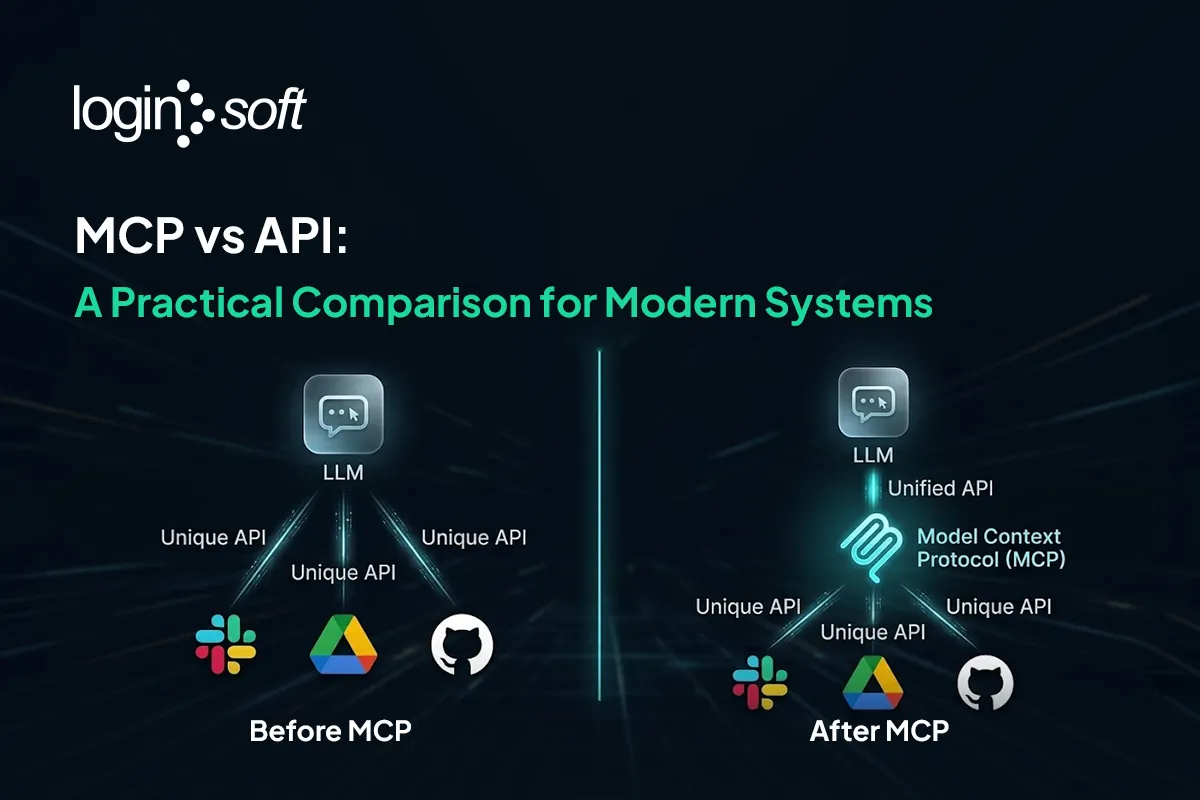
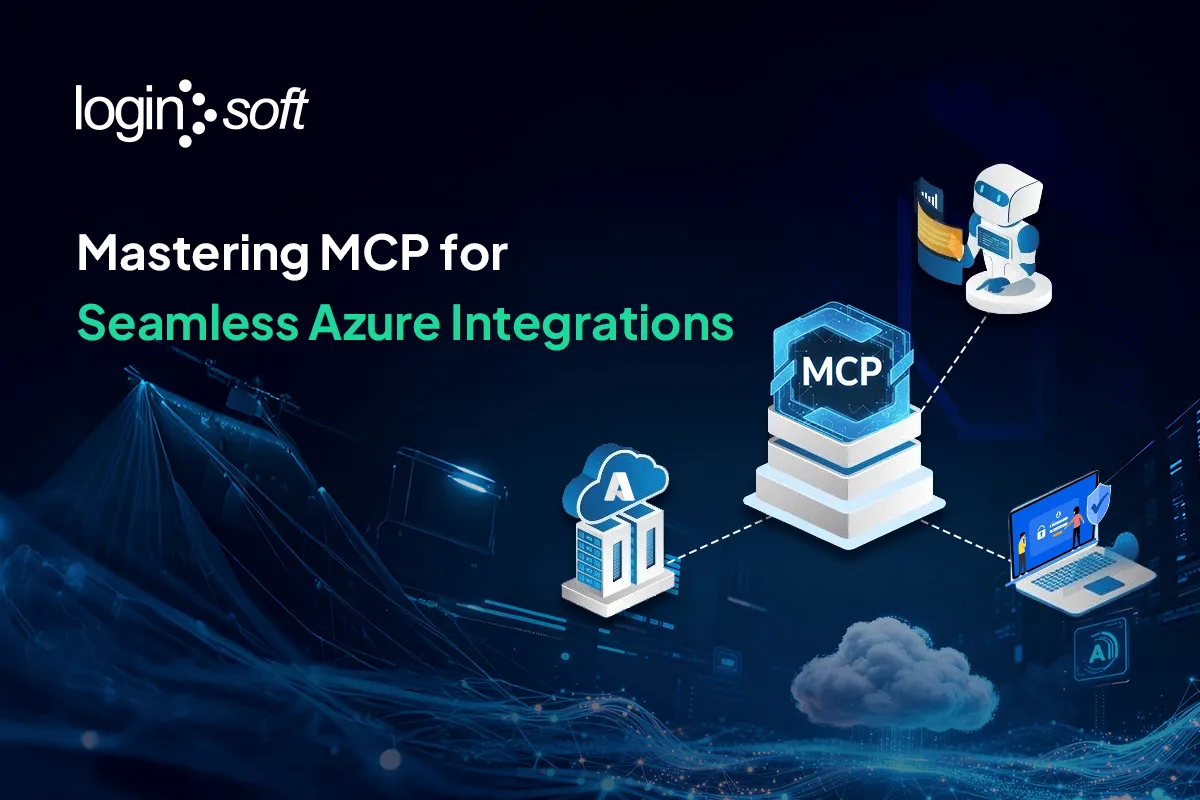
We design and build MCP servers to connect models with enterprise tools, APIs, and data. This enables secure, governed tool access and a scalable foundation for agentic workflows.

We implement retrieval pipelines with indexing, chunking, embeddings, and re‑ranking tuned to your domain. We also design feedback loops that improve retrieval quality over time.

We build agentic systems that coordinate tasks, apply policies, and integrate with operational workflows. This includes multi‑step reasoning, tool orchestration, and guardrails that reduce unsafe actions.

We deploy AI systems into production on AWS Bedrock, Vertex AI, or Microsoft Foundry with CI/CD, monitoring, and rollback support. We integrate observability and evaluation so systems remain reliable after release.

We implement data protection, access controls, auditing, and policy enforcement so AI systems meet enterprise security and privacy requirements from day one.

We optimize inference cost, latency, and throughput by tuning model selection, caching, batching, and fallback strategies, ensuring predictable SLAs in production.

We provide architecture blueprints, production‑ready codebases, integration adapters, evaluation harnesses, and runbooks. Knowledge transfer and enablement ensure your teams can operate, extend, and govern the system after handoff. We align delivery to internal change management and ownership models to reduce dependency and accelerate adoption.
Key Benefits

Experienced teams deliver production‑ready systems, reducing experimental cycles and accelerating business impact.

We build systems that can scale to enterprise traffic and data volumes without reliability tradeoffs.

We optimize model selection, caching, and inference patterns so AI workloads meet SLA targets while keeping cloud spend under control.
We deliver documentation, training, and operational handoff so your internal teams can confidently own and evolve the AI systems we build.
AI systems are engineered with security, privacy, and auditability built in, aligning with enterprise risk expectations.
Choose project delivery, embedded teams, or managed engineering sprints based on your roadmap and internal capacity.

From MCP servers to agentic workflows, we provide the engineering expertise needed for advanced AI capabilities.
AI Engineering Services involve designing, building, deploying, and maintaining production-grade AI systems such as MCP servers, RAG pipelines, and agentic AI workflows. Unlike AI consulting or experimentation, AI engineering focuses on scalable architecture, security, governance, monitoring, and cost optimization for enterprise deployment.
AI consulting typically focuses on strategy, roadmap development, or proof-of-concept design. AI Engineering Services focus on hands-on system implementation including model integration, retrieval pipeline engineering, tool orchestration, production deployment, and MLOps with governance controls.
A Model Context Protocol (MCP) server connects AI models to enterprise tools, APIs, and internal systems with controlled access and governance. It enables secure tool orchestration, policy enforcement, and scalable agentic AI workflows across business operations.
Enterprises should use Retrieval-Augmented Generation systems when accuracy, domain knowledge, and hallucination reduction are critical. RAG pipelines retrieve relevant enterprise data before generating responses, improving reliability, and compliance in production of AI deployments.
AI systems are engineered with built-in controls including role-based access, data boundary enforcement, audit logging, encryption, and policy-driven tool access. Security and compliance are embedded at the architecture level, not added after deployment.
AI systems can be deployed across AWS Bedrock, Google Vertex AI, and Microsoft Foundry. Deployments include CI/CD pipelines, monitoring, evaluation dashboards, rollback capabilities, and performance benchmarking.
Typical timelines range from 4 to 6 weeks for scoped RAG or MCP implementations, and 8 to 16 weeks for multi-agent or enterprise-scale AI systems. Timelines depend on integration complexity, data readiness, and compliance requirements.
Loginsoft optimizes model selection, inference patterns, caching strategies, batching, and fallback architectures to ensure predictable SLAs. Continuous monitoring and evaluation help maintain performance while controlling cloud spend.
BLOGS AND RESOURCES

Loginsoft helps you find hidden malicious code in your dependencies and take action.